What You're Actually Looking At When You Open the Game
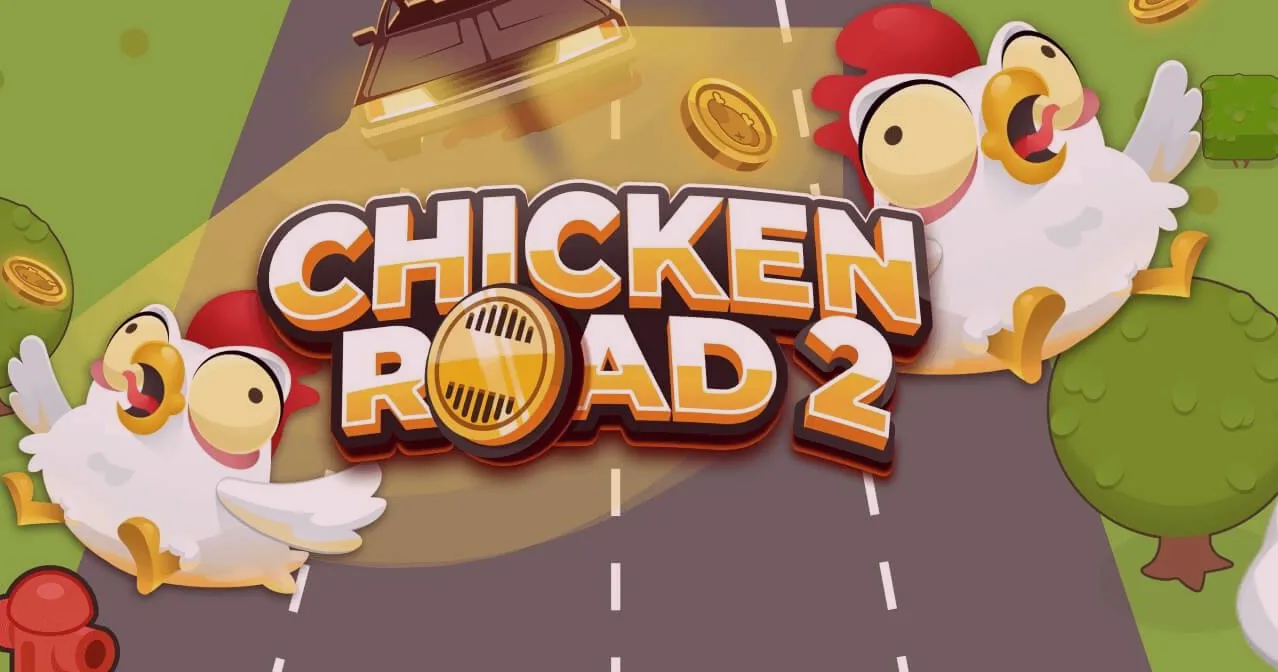
Most players type «Chicken Road 2 official site» into Google and click the first result. If that result isn't a UKGC-licensed operator, you've just landed on a clone — same graphics, same soundtrack, different RNG, no regulatory oversight, and your deposits vanish into a payment processor you can't trace.
There is no single official website for Chicken Road 2. The game is a provider's product distributed to dozens of licensed operators across the UK. «Official» means the authentic build from the original provider, hosted by a UKGC-registered casino. Everything else — the domain name, the welcome bonus, the live-chat script — belongs to the operator, not the game. This page walks you through what official status looks like on your screen, how to verify it in under a minute, and what happens when something goes wrong.
Provider, Build, and the Operator Sandwich
Chicken Road 2 is developed by a studio that supplies the game code, maths model, and RNG certificate to multiple operators. The operator wraps that game in their own lobby, payment rails, and compliance layer. When you log in, you see the operator's branding in the header and footer, but the game window itself — the road grid, the chicken sprite, the cash-out button — runs the provider's certified build.
Official means two things: the game file is byte-for-byte what the provider submitted to testing labs, and the operator serving it holds a valid UKGC remote gambling licence. If either link breaks — pirated game code or an unlicensed host — you're outside the regulatory perimeter. The UKGC register is the only proof that matters; marketing claims and ssl certificates are cosmetic.
- Provider: creates the game, submits RNG and RTP reports to testing labs, distributes to operators.
- Operator: integrates the game, handles deposits and withdrawals, enforces £5 stake caps and affordability checks.
- Player: sees one interface but interacts with two systems — the operator's account layer and the provider's game engine.
Sixty-Second Licence Verification
Every UKGC-licensed site must display its licence number in the footer, usually next to the commission logo. If the footer is blank or shows a Curaçao seal, leave. If you see a UKGC reference but no number, it's decorative theft. Here's the walkthrough:
- Scroll to the bottom of the operator's homepage. Look for a line like «Licence 000-000000-R-000000-000 issued by the UK Gambling Commission».
- Copy the licence number. Open the UKGC public register at gambling commission website (search «UKGC register» if you forget the URL).
- Paste the number into the search field. The register returns the licence holder's legal name, issue date, licence type (remote), and current status.
- Match the legal name in the register to the name in the site footer. If they differ — the site is using someone else's licence or the licence was revoked.
- Check the status column. «Active» is green; «Suspended» or «Revoked» means the operator can't legally serve you.
This process takes sixty seconds and is the only verification worth doing. Payment logos, trust seals, and «verified by» badges are window dressing. The UKGC register is a live database updated daily; if an operator loses their licence mid-session, the register reflects it before the site's own homepage does.
Login: What the Account Needs Before You Play
You log in with an email address or mobile number and a password. Some operators send a one-time code to your phone each time; others let you stay logged in for a fortnight. The account itself is built in stages: basic registration lets you browse the lobby, age verification unlocks deposits, and KYC clearance unlocks withdrawals.
Credit cards have been banned for gambling in the UK since April 2020, so the payment method must be a debit card or an e-wallet in your own name. Shared cards and third-party wallets fail KYC. If you deposit £150 or more in a month, the operator runs a soft credit check through a bureau; if your financial profile raises flags, they ask for payslips or bank statements before you can deposit further. This isn't the operator being difficult — it's a UKGC requirement to prevent gambling-related harm.
The Official App Question
Chicken Road 2 runs in the browser on every device, so most operators don't bother with a native app. A handful publish web apps — Add to Home Screen on iOS or Install via Chrome on Android — but the underlying code is still browser-based. The Google Play Store and App Store both allow real-money gambling apps from UKGC-licensed operators, but crash games rarely justify the development cost when the mobile web experience is instant and update-free.
If you see an APK download link for a Chicken Road 2 app, assume it's a clone. Legitimate operators distribute through official stores or via progressive web app prompts inside the browser. An APK from a third-party mirror bypasses Google's vetting and can bundle anything — keyloggers, adware, or a re-skinned game with rigged RNG. The official build is the one you reach by logging into a UKGC-licensed operator's website and clicking the game tile in the lobby.
When Something Goes Wrong
Complaints start with the operator's support team — live chat, email, or phone. Most disputes resolve here: a missing deposit traced to a payment-processor lag, a withdrawal delayed by a document upload glitch, a session disconnected mid-round and replayed from the server state. If support stonewalls or the resolution is unsatisfactory, escalate to the operator's complaints procedure (linked in the footer under «Complaints» or «Disputes»). The operator must acknowledge your complaint within five working days and issue a final response within eight weeks.
If the final response doesn't fix it, you escalate to an alternative dispute resolution service — eCOGRA or IBAS for most UK operators. ADR is free for players and binding on the operator up to a cap (usually £10,000). If the operator is unlicensed or has vanished, skip straight to the UKGC. The commission doesn't mediate individual disputes, but it investigates systemic failures and can suspend or revoke licences. Report via the UKGC website under «Make a Complaint».
- Step one: operator's live chat or email support.
- Step two: formal complaint via the operator's complaints page.
- Step three: ADR (eCOGRA, IBAS) after the operator's final response.
- Step four: UKGC enforcement if the operator is non-compliant or unlicensed.
If the issue is your own play rather than the operator's conduct, the path is GAMSTOP for self-exclusion (blocks every UKGC site for six months to five years) or BeGambleAware for confidential support. Deposit limits and session reminders are in your account settings; affordability checks are mandatory, not optional, so there's no way to bypass them by switching operators.
Red Flags of Clones
A clone site mimics the game's look and feel but runs a different RNG and pays out at the operator's discretion. Some clones are sophisticated — pixel-perfect graphics, smooth animations, convincing sound design — but the maths underneath is unaudited and the payout logic is opaque. Here's what separates clones from the official build:
| Signal | Official Build | Clone |
|---|---|---|
| Licence Footer | UKGC number, verifiable in register | Missing, or Curaçao/Costa Rica |
| Payment Methods | Debit card, PayPal, Open Banking | Crypto-only or obscure processors |
| Stake Caps | £5.00 per round (£2.00 for 18–24s) | No caps, or caps in USD/EUR |
| Withdrawal Time | Same day to three working days | «Instant» but never arrives |
| Support Response | Live chat, phone, email within hours | Contact form, no reply |
| Game Behaviour | Consistent RTP over thousands of rounds | Wild variance, suspiciously timed losses |
The biggest tell is the licence check: if the site isn't in the UKGC register, nothing else matters. Clones often advertise «no KYC» or «anonymous play», which sounds convenient until you try to withdraw and discover the payment processor is a shell company in a jurisdiction with no extradition treaty. Stick to the register and you avoid this entirely.
What Official Status Does Not Guarantee
A UKGC licence and the official game build mean the RNG is fair and the operator follows the rules. They do not mean you'll win, that the bonus terms are generous, or that every session will feel balanced. The game's RTP is a long-run statistical average; your personal return over a hundred rounds can be anywhere from 0% to 300% of that figure. Volatility is a feature, not a bug — long stretches of small losses punctuated by rare big wins are how the maths works.
Official status also doesn't exempt the operator from making mistakes. KYC delays happen, payment processors glitch, live chat agents misread terms and give wrong answers. The difference is that a licensed operator has a regulatory obligation to fix those mistakes and a public complaints trail you can follow. An unlicensed clone has neither.
- The RNG is certified, but variance means losing streaks are normal.
- The operator is regulated, but customer service can still be slow or confused.
- Withdrawal times are faster than unlicensed sites, but the first payout waits for KYC clearance (24–48 hours).
- Bonuses have wagering requirements — usually 35x to 50x — and not every game contributes equally.
- Affordability checks can block further deposits even if you want to play more; that's the regulation working as designed.
FAQ
Can I play Chicken Road 2 without creating an account?
Demo mode is common on UKGC sites, but age verification is mandatory before you see it. Most operators require login even for free play because they need proof you're over 18. If a site offers instant demo access with no checks, it's not following UK rules.
Why does the game look identical on different sites?
Because it's the same game file from the same provider, wrapped in different operators' lobbies. The road grid, chicken sprite, payout ladder, and RNG are identical; the header, footer, payment methods, and bonus offers belong to the operator. You're playing the official build on multiple licensed platforms.
What happens if I register on a clone by mistake?
Stop depositing immediately. If you've already sent money, contact your bank or payment provider to report the transaction and request a chargeback. File a complaint with the UKGC naming the site. Do not attempt to withdraw from the clone — it's unlikely to process, and sharing more personal details increases the risk of identity fraud.
How do I know the RNG isn't rigged mid-session?
The official build's RNG runs on the provider's server, not the operator's, and is tested by labs like eCOGRA or iTech Labs before certification. The operator can't alter the game code or outcomes without breaking the provider's contract and losing their own licence. Check the game info screen (usually an 'i' icon in the corner) for the RTP percentage and RNG certificate reference. If those are missing, you're not playing the official build.